 Heave Home Inspectors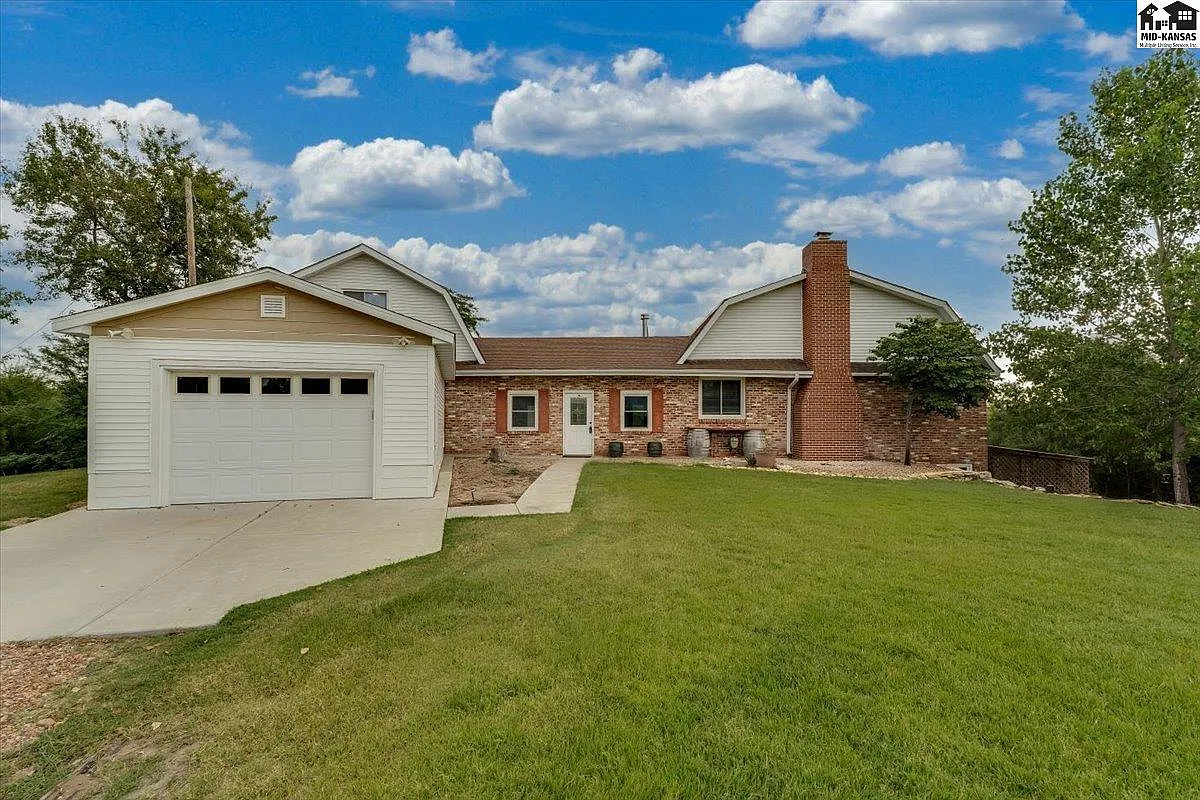
Home Inspection Report
123 Oak Street, Austin, TX, 78701

System health
Inspection Summary
This is a well-maintained single-story home and I'd be comfortable recommending it. The structure is sound, the 200-amp panel is modern and correctly sized, the HVAC and water heater both have years of service left, and I found no evidence of water intrusion anywhere in the house.
Three things are worth your attention:
- The roof. It's original to the 1996 build and performing, but at 14 years on the current covering it's inside the replacement window. Nothing is leaking today — this is a budgeting item, not an emergency.
- Double-tapped breakers in the main panel. Two circuits share a single breaker lug. It's a common shortcut and an inexpensive fix, but it should be corrected by a licensed electrician.
- Smoke detector coverage. Several units are missing or non-functional. This is the cheapest safety item on the list and I'd handle it the week you move in.
Everything else in the findings section is routine upkeep — sealant, caulk, gutter cleaning. The Home Care section at the end lays out the maintenance rhythm for this house.
Findings
Safety (1)
Major (1)
Minor (10)
Info (2)
Property Overview
General property information and inspection conditions
Property Information
Property Type
Single Family
Year Built
1996
Approximate Square Footage
2180 sq ft
Number of Stories
1
Occupancy Status
Vacant
Utilities On During Inspection
Electric, Gas, Water
Inspection Conditions
Weather Conditions
Clear/Sunny
Outdoor High Temperature
91
Outdoor Low Temperature
74
Rain Within Last 3 Days
No
Inspection Limitations
None
Limitation Details
Home was vacant with all utilities on. Full access to the attic, garage, and every room. No areas were excluded from this inspection.
Exterior
External structure, grounds, and components
Roof System
Roof covering, flashing, and penetrations
Roof Types
Architectural Shingle
Estimated Layers
1 Layer
Overall Roof Condition
GoodEstimated Age (years)
14 years
Issues Observed
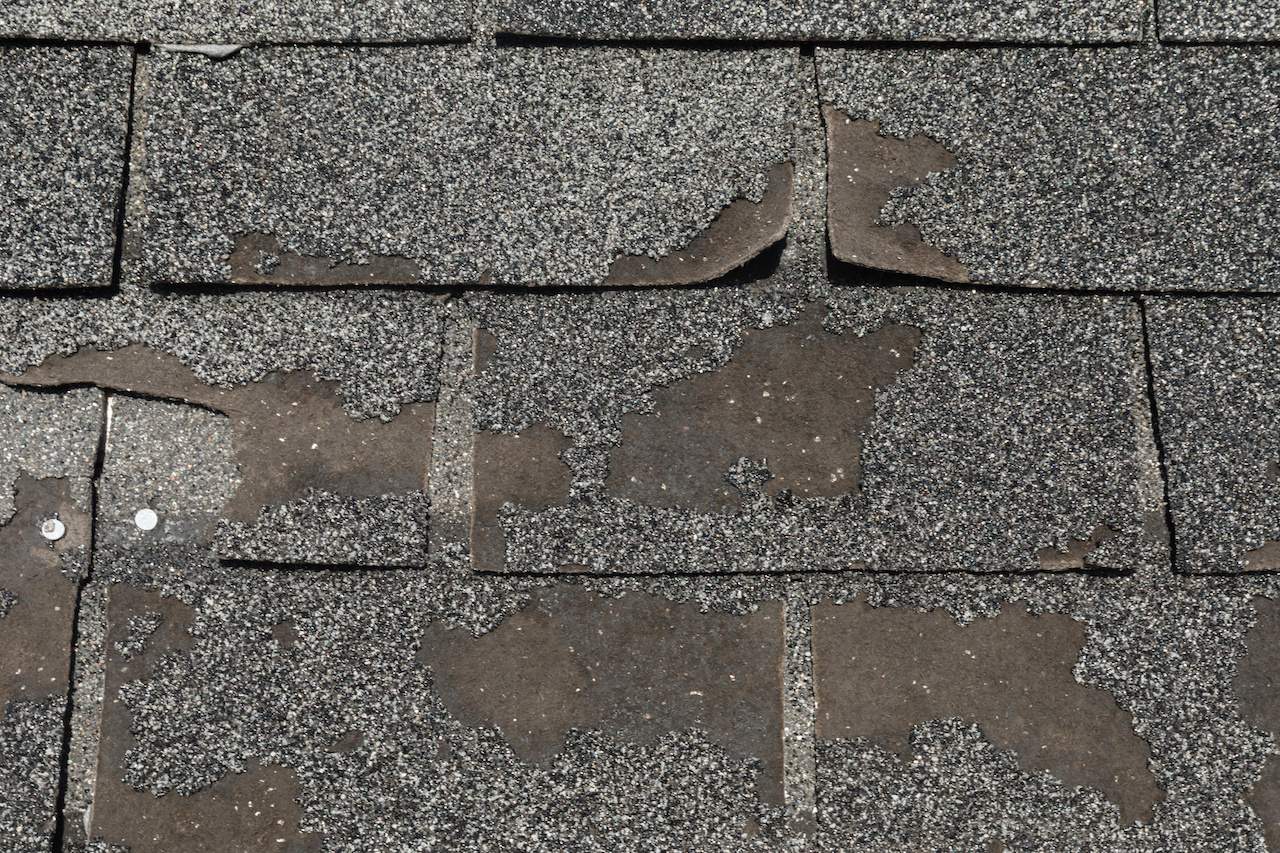
Granule loss
Additional Notes
Walked the full roof surface. Shingles are lying flat with no lifting or missing tabs, and all flashing and vent boots are intact and sealed. Granule accumulation in the gutters is consistent with the covering's age.
Photos & Videos
Gutters & Drainage
Gutters, downspouts, and site drainage
Gutter Material
Aluminum
Gutter Condition
GoodDownspout Extensions
Adequate (6+ feet from foundation)
Issues Observed
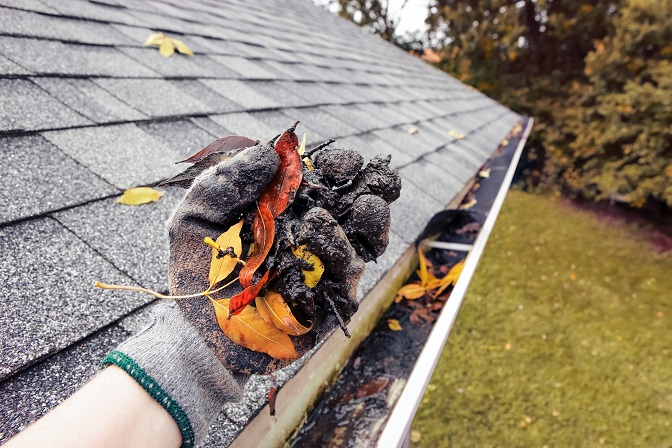
Clogged/debris filled
Site Grading/Drainage
Positive (slopes away from house)
Drainage Concerns
None observed
Additional Notes
Gutters are securely hung and correctly pitched, and every downspout discharges well clear of the foundation. Leaf and shingle-granule debris in the rear runs needs clearing.
Photos & Videos
Exterior Walls & Siding
Siding Types
Brick, Fiber Cement (HardiPlank)
Siding Condition
GoodIssues Observed
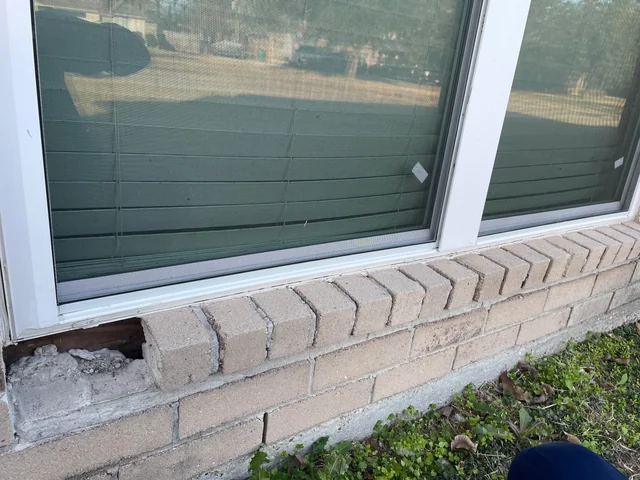
Gaps at penetrations
Trim & Fascia Material
Fiber Cement
Trim & Fascia Condition
GoodAdditional Notes
Brick veneer on the front elevation with fiber cement on the sides and rear. Mortar joints are sound and the fiber cement is well painted. Sealant is missing at the hose bib and exterior receptacle penetrations on the south wall.
Photos & Videos
Soffit
Soffit Material
Fiber Cement
Soffit Condition
GoodIssues Observed
None observed
Windows & Exterior Doors
Window Types
Double-Hung, Fixed/Picture
Window Frame Materials
Vinyl
Window Glazing Types
Double Pane (Insulated)
Overall Window Condition
GoodWindow Issues Observed
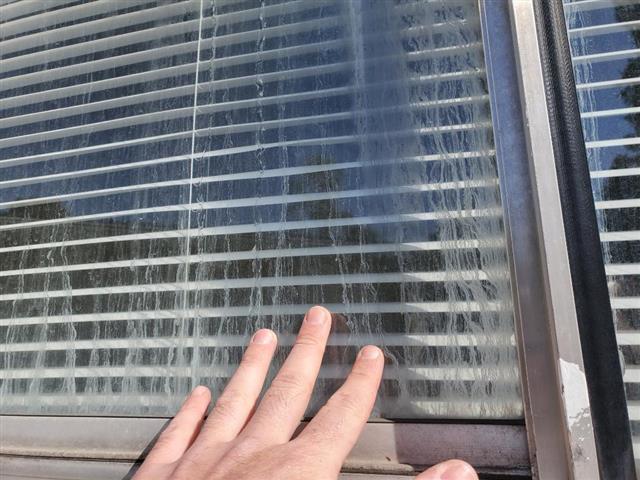
Failed seals (foggy glass)
Exterior Door Condition
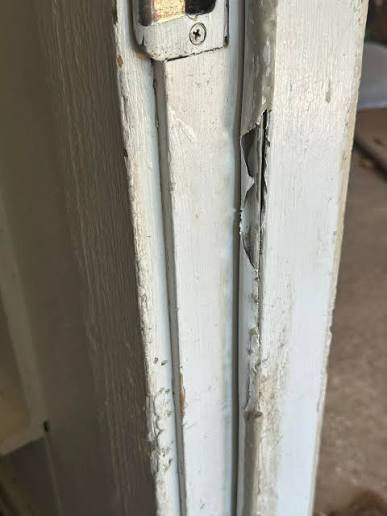
GoodExterior Door Issues
Weather stripping worn
Additional Notes
Operated every window in the home. All open, close, and latch normally. One unit in the front bedroom shows a failed insulated-glass seal.
Photos & Videos
Foundation
Foundation Types
Slab on Grade
Foundation Condition
GoodIssues Observed
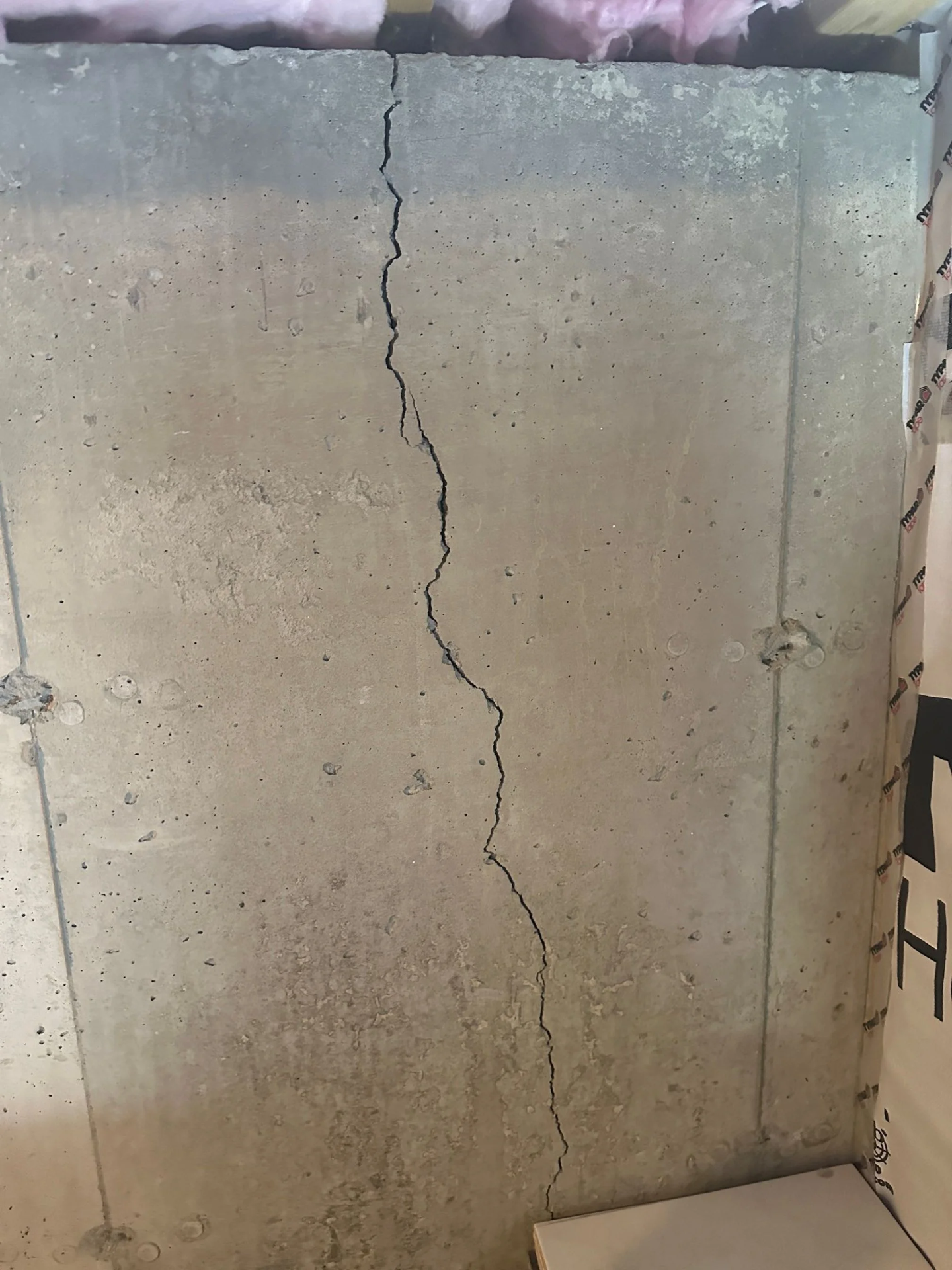
Vertical cracks (minor/shrinkage)
Additional Notes
Post-tension slab. Perimeter beam is straight with no rotation, and interior doors all latch square — no indication of differential movement. Hairline vertical shrinkage cracking at the garage slab is typical and not structural.
Photos & Videos
Deck, Patio & Porches
Deck Present
Yes
Deck Materials
Composite
Deck Condition
GoodDeck Issues Observed
None observed
Patio Present
Yes
Patio Condition
GoodPorch Present
Yes
Porch Condition
GoodDriveway & Walkways
Driveway/Walkway Materials
Concrete
Driveway Condition
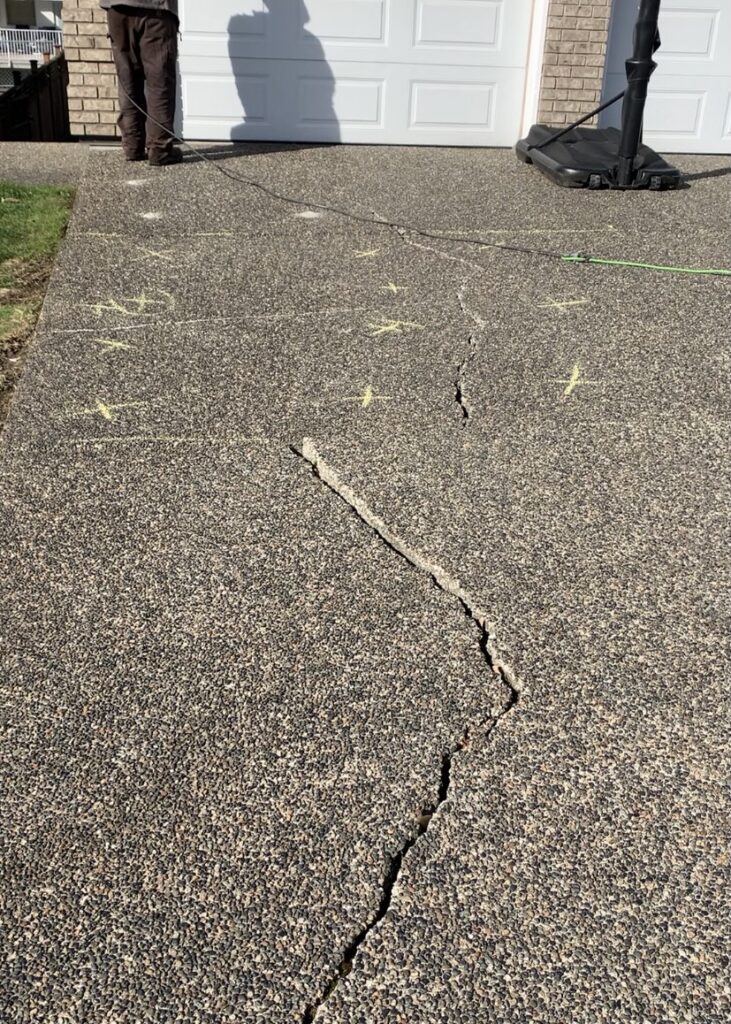
GoodDriveway/Walkway Issues
Cracks
Photos & Videos
Interior
Interior rooms, finishes, and features
Kitchen
Overall Condition
GoodAppliances Present & Tested
Range/Oven (Gas), Dishwasher, Microwave (Built-in), Garbage Disposal, Range Hood/Vent
Appliances Present, but Untested
Refrigerator
Countertop Materials
Granite
Issues Observed
None observed
Additional Notes
Ran the dishwasher through a full cycle and tested every burner, the oven, the disposal, and the hood. All operated normally. The refrigerator is the seller's and was not connected at the time of inspection.
Bathrooms
Number of Full Bathrooms
2
Number of Half Bathrooms
1
Overall Condition
GoodBathroom Ventilation
Exhaust fan(s) present - working
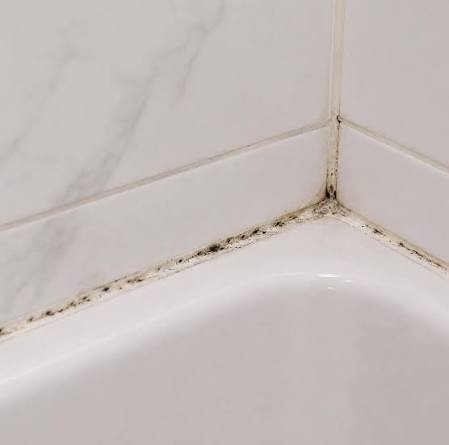
Issues Observed
Grout/caulk deterioration
Additional Notes
Both full baths drain and hold pressure normally, and every exhaust fan vents to the exterior. Caulk at the primary bath tub-to-tile joint has separated and should be replaced before it lets water past.
Photos & Videos
Bedrooms
Number of Bedrooms
3
Overall Bedroom Condition
GoodIssues Observed
None observed
Living Areas
Living room, dining room, family room, etc.
Overall Condition
GoodIssues Observed
None observed
Laundry Area
Laundry Location(s)
Main Floor
Hookups Present
Washer - Hot Water, Washer - Cold Water, Washer - Drain, Dryer - Electric (240V), Dryer - Vent to Exterior
Dryer Vent Material
Rigid Metal (recommended)
Issues Observed
None observed
Flooring & Stairs
Flooring Types Present
Engineered Hardwood, Porcelain Tile, Carpet
Overall Flooring Condition
GoodInterior Stairs Present
No
Issues Observed
None observed
Fireplace & Chimney
Fireplace Present
Yes
Fireplace Type
Gas - Vented
Number of Fireplaces
1
Fireplace Condition
GoodChimney Condition (Visible)
GoodIssues Observed
None observed
Systems
HVAC, electrical, plumbing, and other building systems
Heating & Cooling
Heating System Type
Forced Air - Gas
Heating Equipment Brand(s)
Trane
Heating Equipment Manufacture Date
October 1, 2020
Cooling System Type
Central A/C
Cooling Equipment Manufacture Date
October 1, 2020
Overall HVAC Condition
GoodSystem Operation Tested
Both heating & cooling tested
Issues Observed
Dirty filters
Additional Notes
Single gas furnace and matched condenser, both replaced together. Measured a 19°F split across the evaporator in cooling — well within range. The return filter is overdue for replacement.
Electrical System
Service Amperage
200 Amps
Panel Type(s)
Circuit Breakers
Panel Brand(s)
Square D
Wiring Types Observed
Copper (Romex/NM)
Overall Electrical Condition
GoodIssues Observed
Double-tapped breakers
GFCI Protection Present At
Kitchen, Bathrooms, Garage, Exterior
GFCI Outlets Tested
Yes
Additional Notes
Modern 200-amp Square D panel with copper branch wiring throughout. Every GFCI device tested and tripped correctly. Two 15-amp circuits are landed on a single breaker lug in the main panel.
Plumbing System
Water Supply
Public/Municipal
Main Water Shutoff Location
Garage
Supply Pipe Materials (Visible)
PEX, Copper
Drain Pipe Materials (Visible)
PVC
Water Heater Type
Gas - Tank
Water Heater Capacity (gallons)
50 gallons
Water Heater Manufacture Date
January 1, 1964
Overall Plumbing Condition
GoodIssues Observed
None observed
Additional Notes
Ran every fixture simultaneously with no meaningful pressure drop. The 50-gallon gas water heater has a properly routed TPR discharge and drip pan, and no corrosion at the fittings.
Additional Areas
Attic, basement, garage, and safety features
Attic
Attic Accessible
Yes
Access Type(s)
Pull-Down Stairs
Insulation Type
Blown-in Fiberglass
Estimated Insulation Depth
13
Ventilation Present
Ridge Vent, Soffit Vents
Issues Observed
None observed
Additional Notes
Entered and traversed the attic on the framing. Insulation is evenly distributed at roughly R-38, soffit vents are clear of insulation, and the roof sheathing shows no staining, delamination, or daylight.
Basement/Crawl Space
Type
Slab - No Basement
Accessibility for Inspection
Not Accessible
Moisture Evidence
None observed
Issues Observed
Not applicable
Sump Pump Present
No
Garage
Garage Type
Attached - 2 Car
Garage Door Type(s)
Sectional - Steel
Automatic Door Opener Present
Yes
Safety Reverse Tested
Yes
Safety Reverse Working
Yes
Photo Eye Sensors Present
Yes
Photo Eye Sensors Working
Yes
Fire Separation (Attached Garage)
Adequate - Fire-rated assembly
Issues Observed
None observed
Safety Devices
Smoke detectors, CO detectors, and fire safety
Smoke Detectors
Some missing/non-functional
Smoke Detector Types
Hardwired with battery backup
Carbon Monoxide Detectors
Present where required
Fire Extinguisher Present
No
Bedroom Egress Windows
All bedrooms have proper egress
Safety Concerns Observed
None observed
Additional Notes
Hardwired, interconnected smoke detectors are present but the hallway and primary bedroom units did not sound when tested. A CO detector is correctly located near the gas furnace.
Home Care Recommendations
Routine maintenance to keep this home in good shape.
Monthly (4)
Quarterly (1)
Every 6 Months (2)
Annual (7)
Seasonal (2)
Certification & Credentials